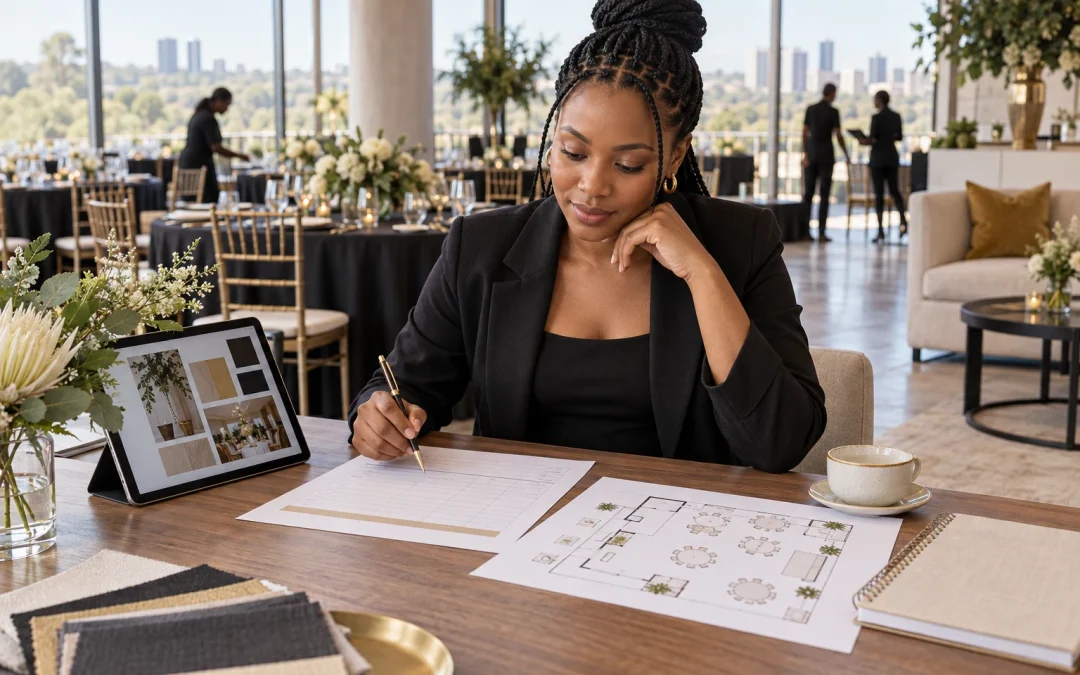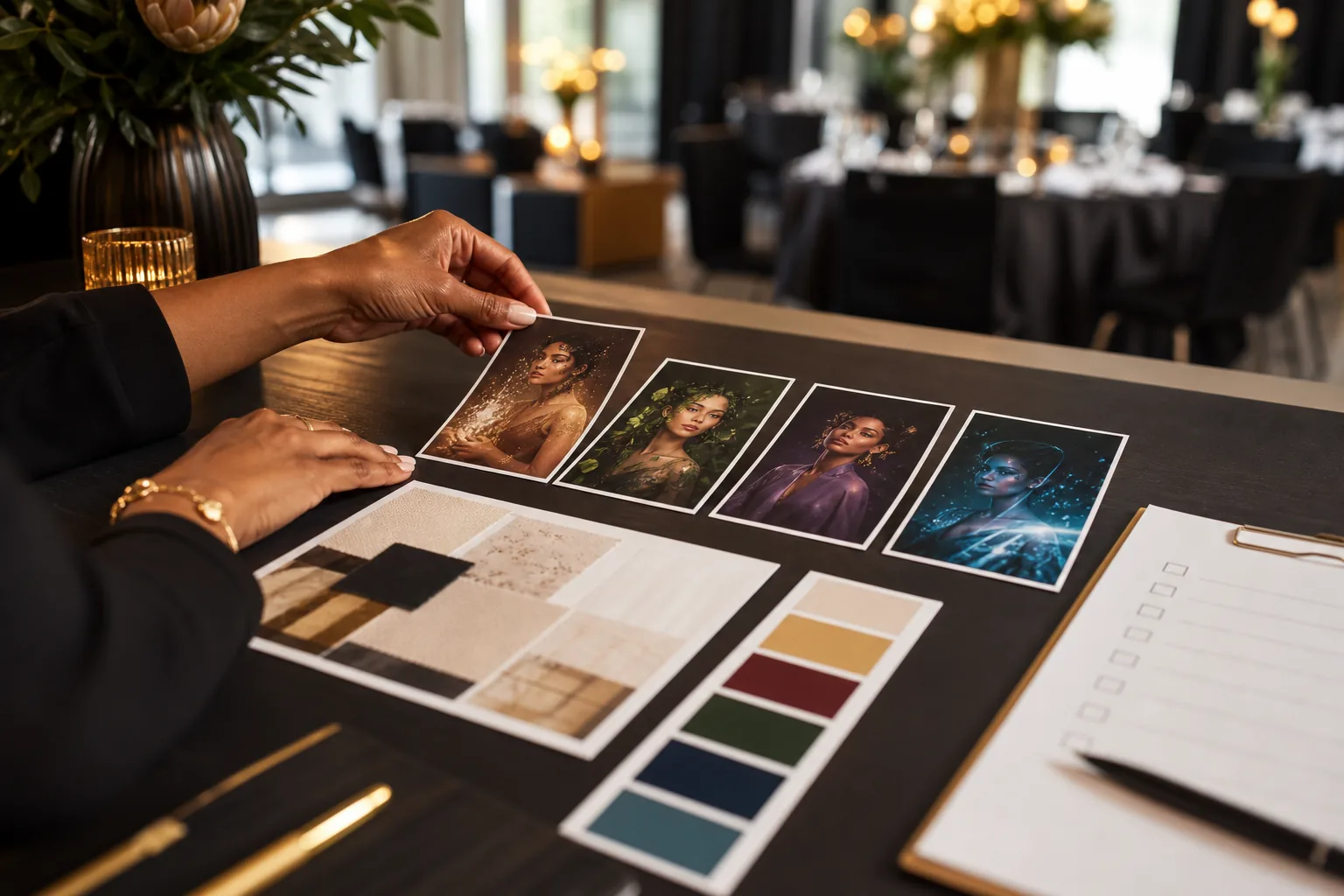
An AI photo booth for events can be a strong fit when you want guests to leave with a portrait that belongs to the occasion, not simply another standard photograph. The creative possibilities are wide, but that makes the brief more important. Before the event, someone needs to approve the visual theme, decide what may be branded, check how guests will take part and confirm what happens to the images afterwards.
This guide takes an organiser through those decisions in a sensible order. It is for corporate functions, activations, launches, weddings and private celebrations where an AI portrait experience is being considered.
For a business function, use the corporate AI photo booth approval checklist to assign owners, evidence and deadlines for brand, guest, venue and event-day decisions.
Start with the job the experience needs to do
“We want an AI photo booth” is not quite a brief. First decide why it belongs at this particular event.
At a company celebration, the aim may be to give staff an entertaining activity and a printed keepsake. At a product launch, the portrait style may need to connect with a campaign world. At a wedding or birthday, the couple or host may simply want a playful theme that guests understand quickly.
Write that purpose down in one sentence. It gives the supplier something useful to test ideas against and makes later approvals much easier.
A useful brief: “Create a polished future-city portrait that guests can understand without explanation, with discreet event branding on the final print.”
A weak brief: “Make it futuristic and exciting.”
The first version tells the creative team what the guest should receive. The second leaves too many decisions open. If AI is only one option on the shortlist, compare it with the other photo booth formats available for events before committing to the creative direction.
Approve one coherent visual theme
A theme should feel broad enough to work for different faces, hairstyles, skin tones and clothing, but specific enough that the finished portraits still belong together.
Ask to review a small, representative set of examples. Four or five test portraits usually reveal more than one dramatic hero image. Look for consistency in the background, colour, framing, wardrobe treatment and degree of transformation. The faces do not need to look identical to the source photograph, but guests should still feel that the result belongs to them.
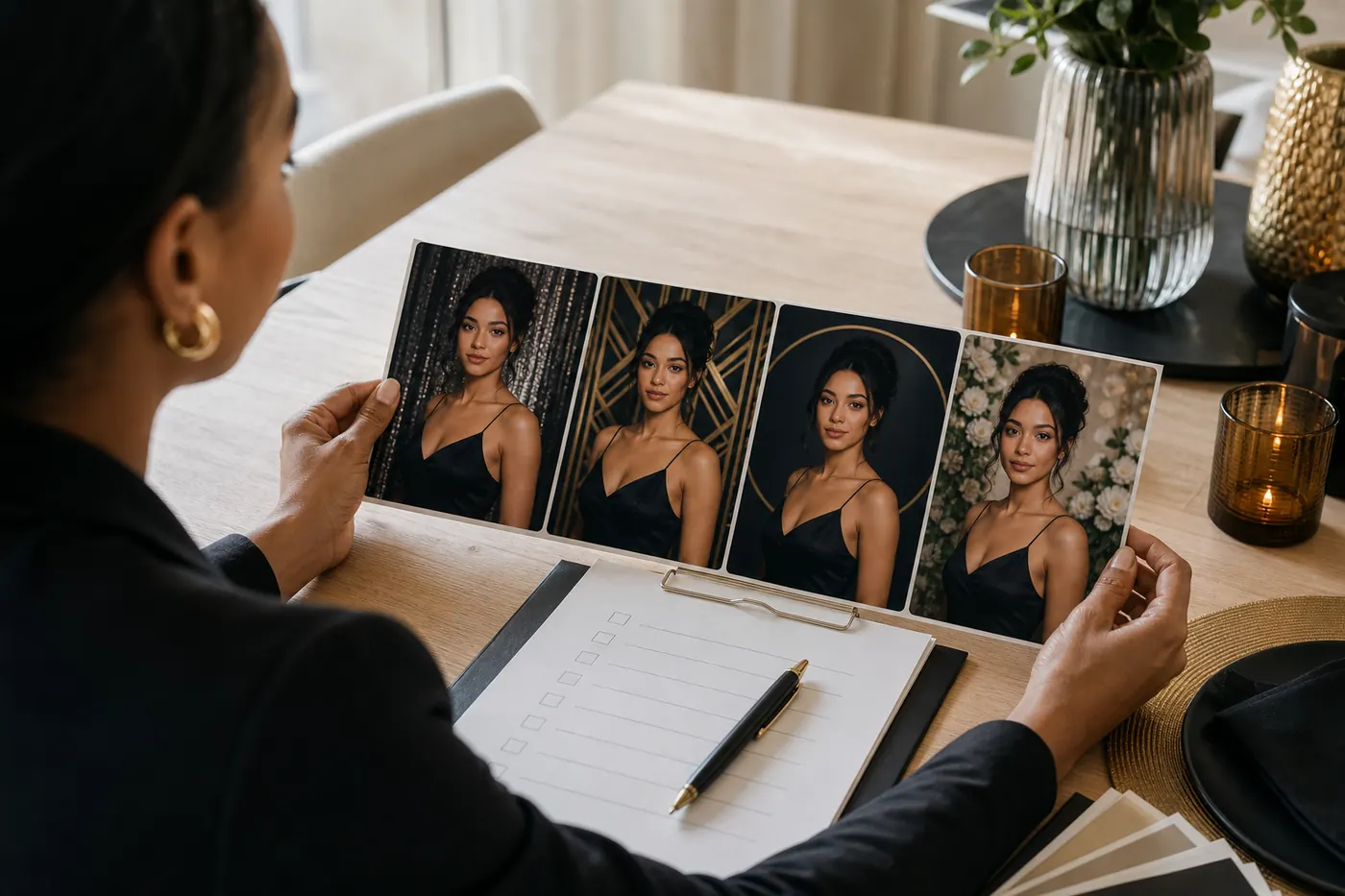
When reviewing the examples, ask practical questions:
- Does the style still work when the guest is wearing glasses?
- Will formal clothing, uniforms or cultural dress be changed in an unsuitable way?
- Are important brand colours being preserved?
- Could the background make dark clothing or hair disappear?
- Does the crop leave enough room for a logo, event name or date?
For a custom theme, nominate one person to give final approval. A group email with six different opinions often produces a muddled result or a late change that has not been tested properly. For a focused visual-selection process, use our guide to choosing an AI photo booth theme guests will recognise.
Decide how much transformation is appropriate
AI portraits can range from a lightly stylised headshot to a complete character transformation. Neither end of that range is automatically better. The right level depends on the audience and the event.
A fantasy theme may suit a private party where guests expect playful results. A corporate conference may need a cleaner treatment that preserves the person’s face, clothing and professional context. If senior leaders, speakers or clients are likely to take part, include them in the approval thinking rather than assuming one style will suit everyone.
It is also worth agreeing what the theme must not introduce. This may include weapons, political imagery, religious symbols, revealing clothing, altered body shape or branded products that have not been approved. These boundaries are especially important for campaigns, schools and events involving a broad public audience.
Keep the brief about visual treatment rather than promising that every generated result will be identical. AI output varies. A good supplier should be able to explain how the chosen concept is tested and what happens if a result is unsuitable.
Confirm what appears on the finished image
The transformed portrait is only one part of the final asset. Decide what should appear around it and how guests will receive it.
| Item to approve | Questions to settle |
|---|---|
| Logo and event details | Which logo version is correct, how prominent should it be, and must the event name or date appear? |
| Print format | Will guests receive a standard print, postcard-style layout or another agreed format? |
| Digital version | Is the downloadable image the same layout as the print, and is it suitable for phone screens and social sharing? |
| Colour | Have the event colours been checked on screen and in a physical test print? |
| Gallery and handover | Who receives the event gallery, how is access controlled, and how long will it remain available? |
Use supplied logo files rather than copying a logo from a website or presentation. If the image will support a public campaign, the brand or marketing team should approve a realistic digital example and a physical test print where possible.
Selfie Cube’s AI photo booth service supports themed portraits, on-site prints and digital sharing. The service page explains the available experience; this planning guide is the place to decide how your event’s version should look.
Make the guest journey obvious
The experience should be understandable within a few seconds. Guests need to know where to stand, whether they can choose a theme, how long the transformation takes and where the finished image will appear.
Ask the supplier to describe the journey from arrival to collection. A typical flow may include choosing a theme, taking the photograph, waiting for the transformation, checking the result and receiving a print or digital copy. The exact order can differ, which is why it should be confirmed rather than assumed.
For a closer view of what the guest sees at each stage, see the AI photo booth guest journey step by step, from theme choice and capture to quality checks, printing and sharing.
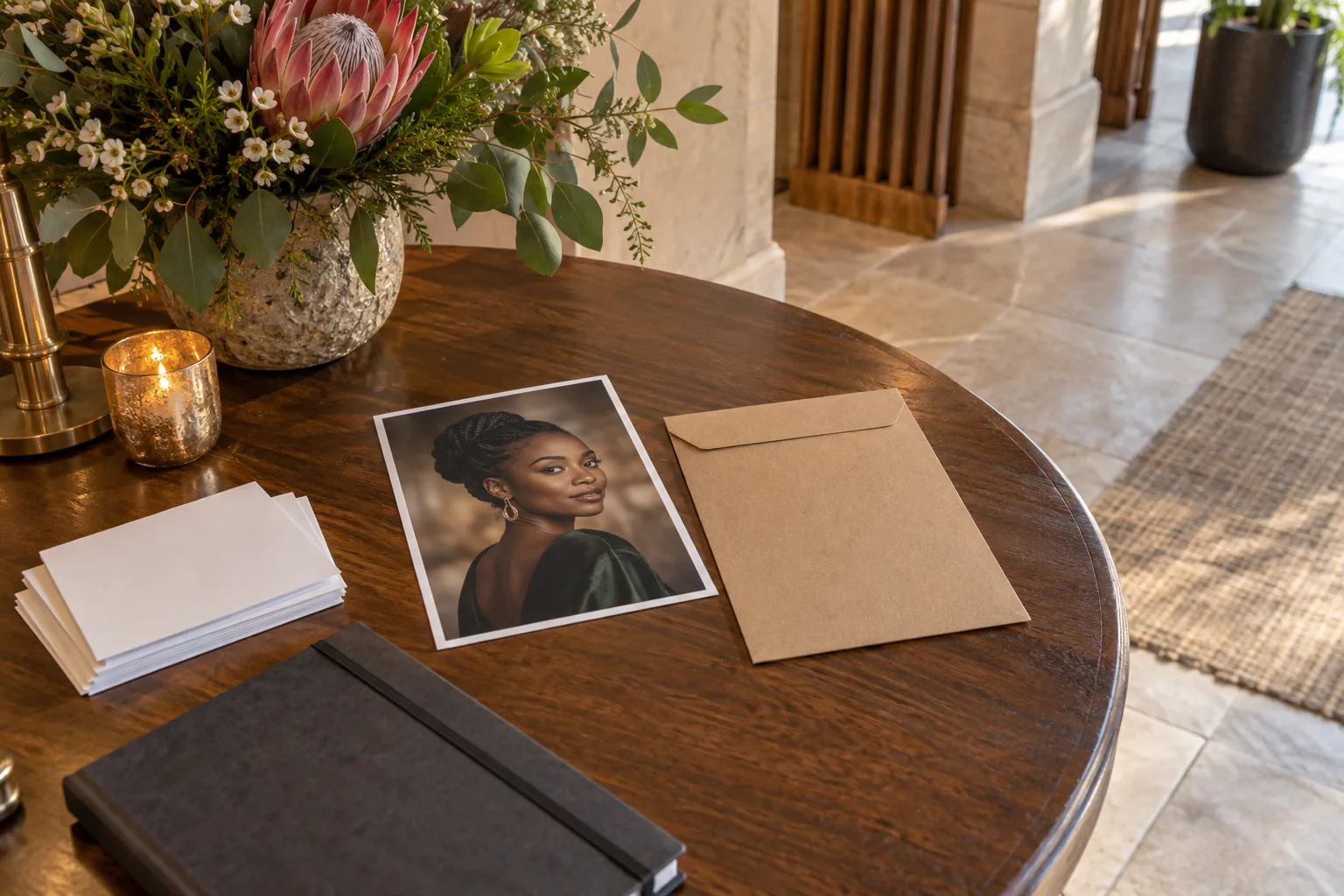
The on-site operator matters here. They can keep the process moving, explain what the AI treatment will do and help a guest try again if the first photograph is not useful. For a busy event, clear signage and a visible collection point prevent the queue from becoming a cluster around the screen or printer.
Think about guests who may not want to use the AI treatment. They should be able to decline without awkwardness. If a conventional photograph is available as an alternative, confirm that in the brief rather than promising it without checking.
Ask what happens to guest photographs and contact details
An AI photo experience processes a person’s photograph, and digital delivery may also involve a phone number or email address. The organiser should understand what is collected, why it is needed, who can access it and when it will be deleted.
South Africa’s Protection of Personal Information Act sets conditions for lawful processing, purpose limitation, openness, retention and security. The Information Regulator is the appropriate primary source for guidance. This article is not legal advice, so a corporate organiser should involve the organisation’s information officer or legal team where the event brief requires it.
Questions for the supplier include:
- Is the original photograph retained after the transformed image is created?
- Where are the original and transformed files processed and stored?
- Who can access the event gallery?
- How long are photographs and delivery details retained?
- Can a guest request that their photograph be removed?
- Will any image be used for marketing, model training or another purpose?
- How will guests be told what is happening before they take part?
Do not hide these answers in the event-day rush. Agree them during planning and make the guest notice short enough to read at the experience.
Check the venue details before approving the setup
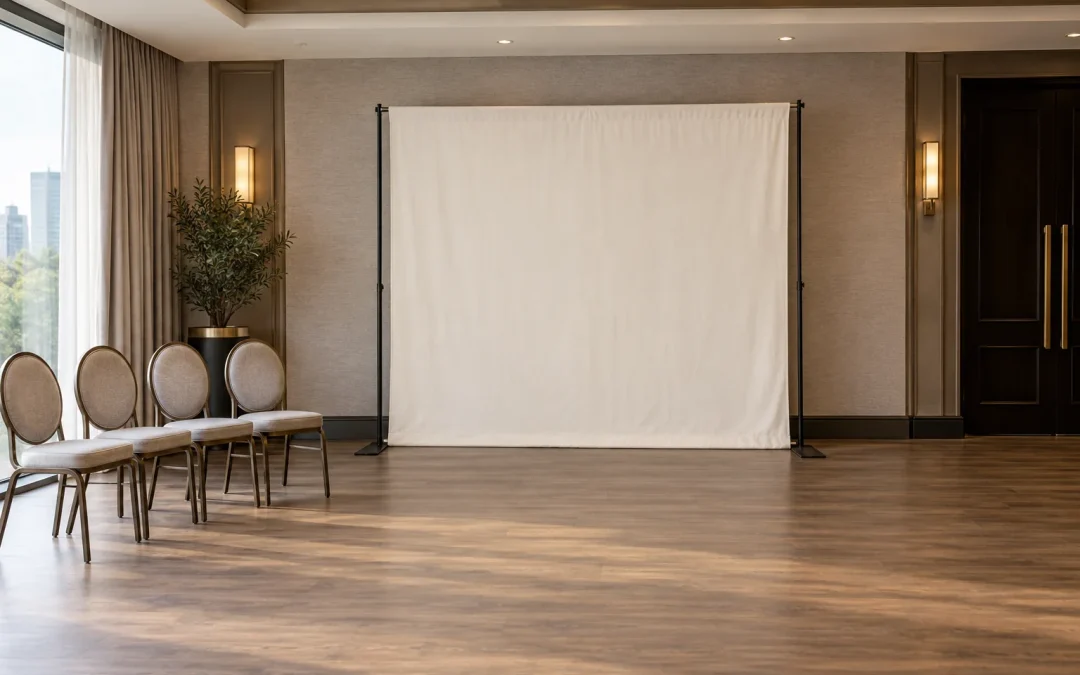
The creative brief can be excellent and still fail if the practical setup has been left too late. Confirm the position, access time, available floor area, power, lighting, queue direction and venue rules with both the supplier and venue.
The current Selfie AI setup requires a stable internet connection of at least 10 Mbps. Confirm the connection at the proposed booth position, including access details, venue restrictions and the person who can help on the day. Agree a backup connection and the response to an interruption with the supplier before the event; do not assume portrait processing will continue offline.
Place the experience where guests will notice it without blocking a doorway, bar queue, service route or dance-floor access. If the event has speeches or a formal programme, agree when operation should pause. The broader South African photo booth planning guide covers placement and supplier comparisons in more detail.
Finally, confirm the booked operating time, setup and pack-down access, operator contact, travel arrangements and anything the venue must supply. Current Selfie Cube package information is available on the pricing page, but the written quotation should remain the final record for your event.
AI photo booth for events: final approval checklist
Before signing off the experience, make sure one named organiser can answer yes to each of these points:
- The purpose of the experience and intended audience are clear.
- A representative set of theme examples has been approved.
- Unacceptable transformations, symbols and content have been recorded.
- The correct logo, event details and final image layout are signed off.
- The print and digital delivery formats are understood.
- The guest journey, operator role and alternative for non-participants are clear.
- Photograph, gallery and contact-detail handling has been reviewed.
- The venue position, queue, power, connectivity and operating times are confirmed.
- A final escalation contact is available on the event day.
Once these decisions are settled, the creative part becomes easier. The supplier has a usable brief, the organiser knows what to expect, and guests can take part without needing a technical explanation.
Continue planning
Explore the Selfie AI experience
Check the current AI service, package options and venue connection requirement.
Compare Selfie Cube booth options
Compare the available formats and choose the output your guests will keep.
Use the South African planning guide
Work through the wider booking, venue and guest-flow decisions.
Need advice for your event?
Tell us the date, venue, audience and theme you are considering. We will help you turn that into a practical AI photo booth brief and quotation.