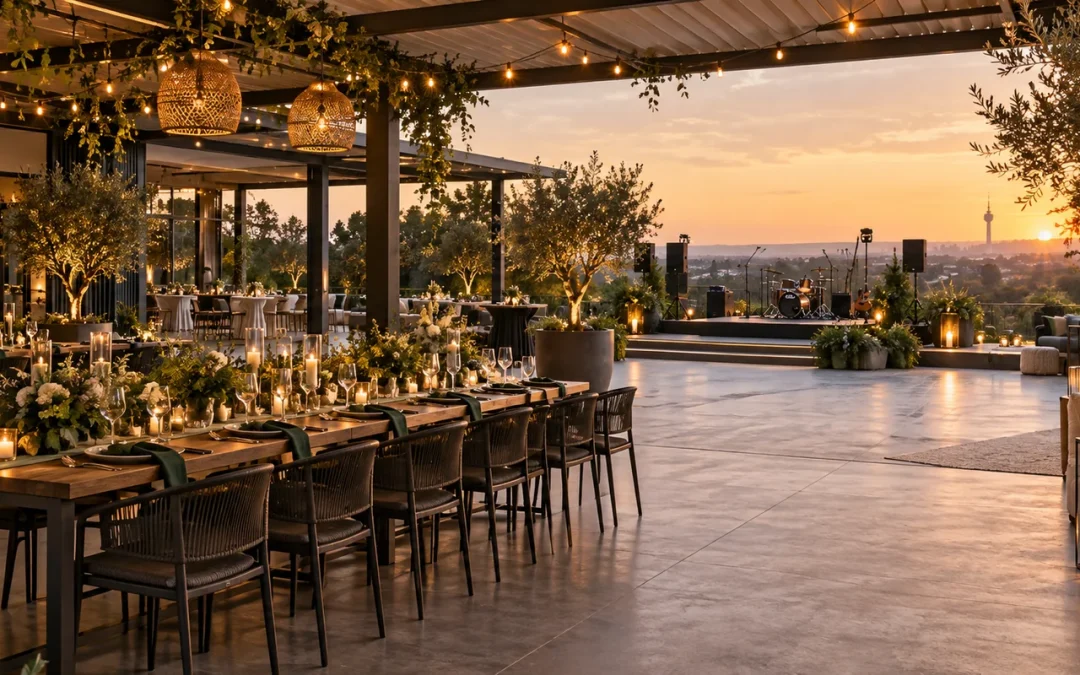
The best 30th birthday party ideas make the day feel like the person being celebrated. That could mean a long lunch with family, a garden dinner with close friends, an activity everyone can join, or a weekend that gives the group time together. Start with the guest list, the kind of atmosphere they enjoy and the amount of planning they want to take on.
If you are still deciding on the wider shape of the event, our adult birthday party planning guide covers formats, activities and a simple running order. This guide focuses on the milestone itself, with practical ways to make a 30th feel special without turning it into a production.

Choose the right kind of day
Thirty is a milestone, but it does not come with a fixed party style. Before you choose a venue or theme, ask what the person wants the day to feel like. Some people enjoy being at the centre of a lively room. Others would rather catch up with a small group over a meal. A useful plan reflects their preferences, not what a birthday is supposed to look like.
Three decisions make the rest easier:
- Who should be there? Start with the people they would be happiest to spend time with. The guest list will help you choose a space and activity that feel comfortable.
- How much structure suits them? A dinner needs little programming. A game night or activity day needs a start time, a clear host and a little breathing room between parts.
- What can the organiser take on? A plan that relies on one person cooking, hosting, decorating and coordinating every guest can become tiring. Share tasks or choose a simpler format.
Keep the milestone personal. A favourite meal, a playlist from a meaningful time in their life or a short message from someone who cannot attend may matter more than a large themed display. Pick one or two details that feel specific to them and let the rest stay simple.
10 30th birthday party ideas
1. Host a long-table dinner
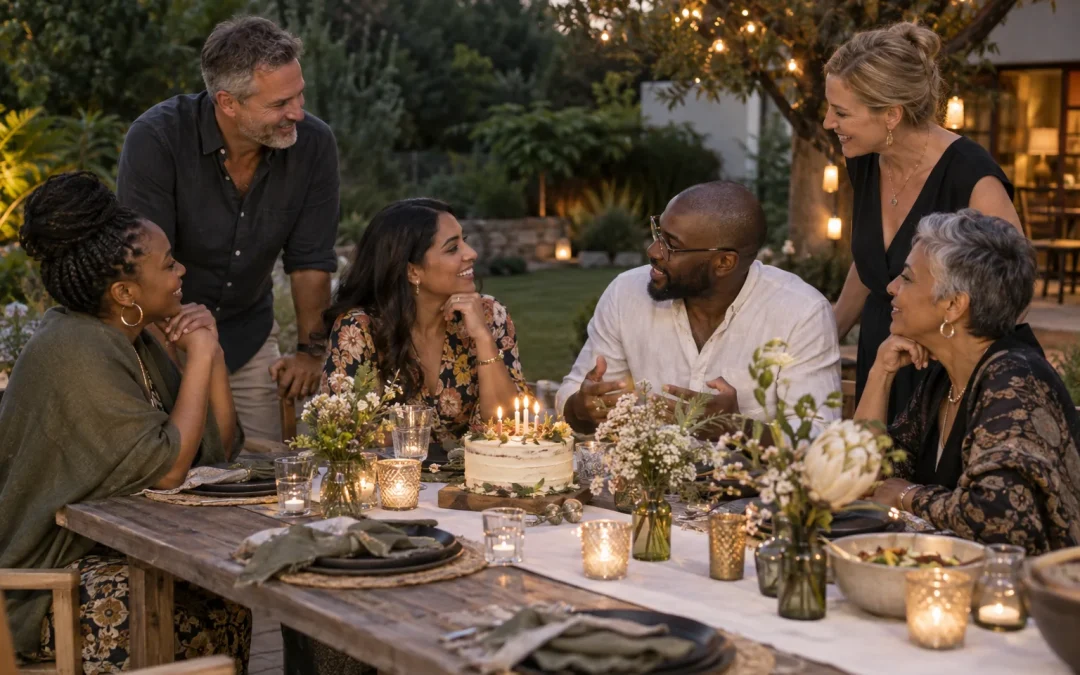
Choose a restaurant, private dining room or home table where conversation can carry the evening. Keep the menu familiar to the guest of honour, check dietary requirements early and decide whether guests will order individually or share a set menu. A short welcome or toast is enough structure for a dinner that should feel relaxed.
2. Make an at-home celebration feel considered
A home party can be intimate and easier to personalise. Ask a caterer to handle the main meal, arrange a shared bring-and-share table, or serve a few simple dishes that can be prepared in advance. Set out seating, water and a place for bags before guests arrive. Give the evening a clear start and finish so the host can enjoy it too.
3. Plan a garden brunch or picnic
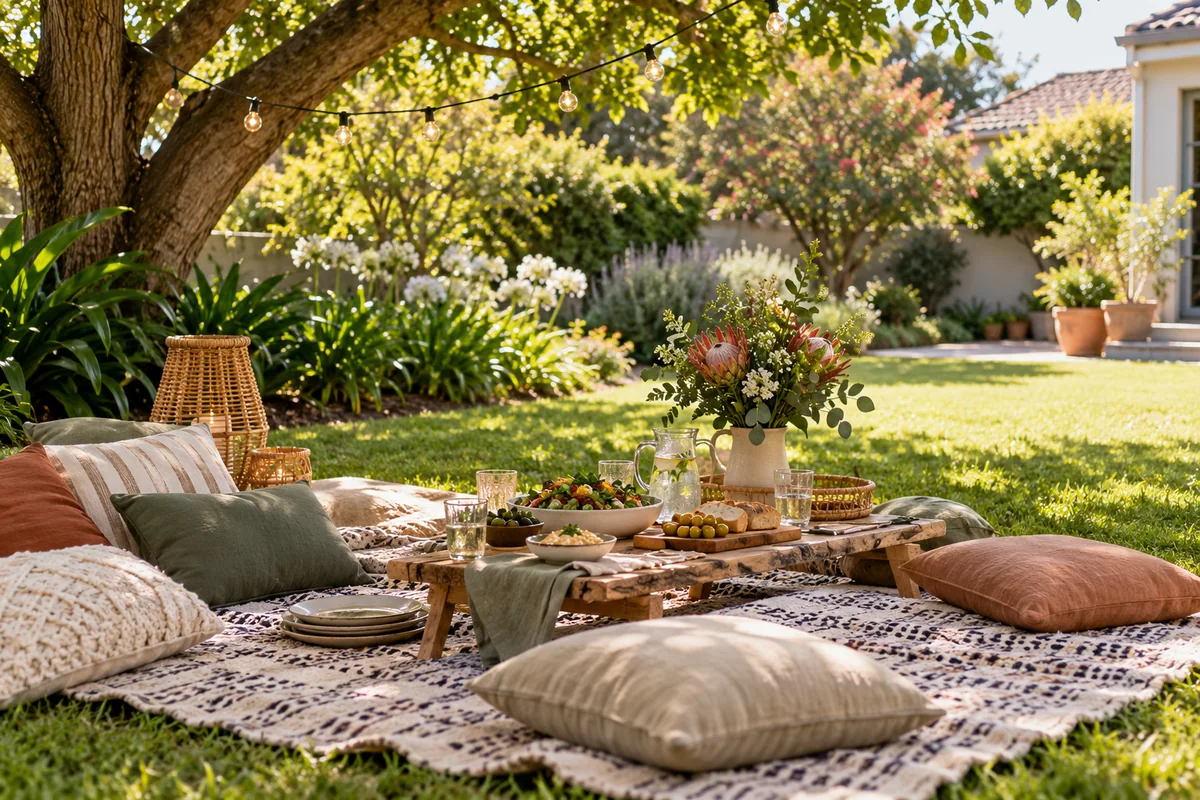
For someone who prefers daytime gatherings, set up a garden brunch, shaded picnic or relaxed lunch. Cushions and a few small tables help guests settle in. Choose food that can sit out safely for the serving period and plan a covered or indoor option in case the weather changes. Keep the activity light, such as a shared playlist, a card game or a short round of messages for the celebrant.
4. Build the day around one activity
Pick an activity the guest of honour would choose on an ordinary weekend: a cooking session, a pottery class, a board-game afternoon, a walk followed by lunch or a sport they enjoy. Check that the pace and access work for the invited group. Keep a meal or coffee afterwards so people have time to talk, and make participation optional when guests have different energy levels.
5. Take a small group away for a night
A nearby stay can turn a birthday into a shared break without requiring a large event. Agree on transport, room arrangements and what is included before inviting people. Leave some open time rather than filling every hour with activities. If budgets vary, make the cost clear early and offer a shorter option for friends who can only join for the main meal.
6. Bring back a favourite kind of house party
Music, snacks and an open invitation to dance can suit someone who enjoys a lively room. Choose a playlist that moves through the celebrant’s favourite eras or artists, and set up a quieter place where guests can talk. Keep the furniture layout clear, let neighbours know the finish time where appropriate and make the plan easy to host.
7. Choose a theme with a personal connection
A theme works best when it comes from the person’s interests. It could be a favourite film, a colour they love, a destination they hope to visit or a shared in-joke among friends. Use one or two visual details rather than asking guests to buy elaborate outfits. Include a simple dress suggestion on the invitation and make it clear that joining the theme is optional.
8. Make it a memory-sharing evening
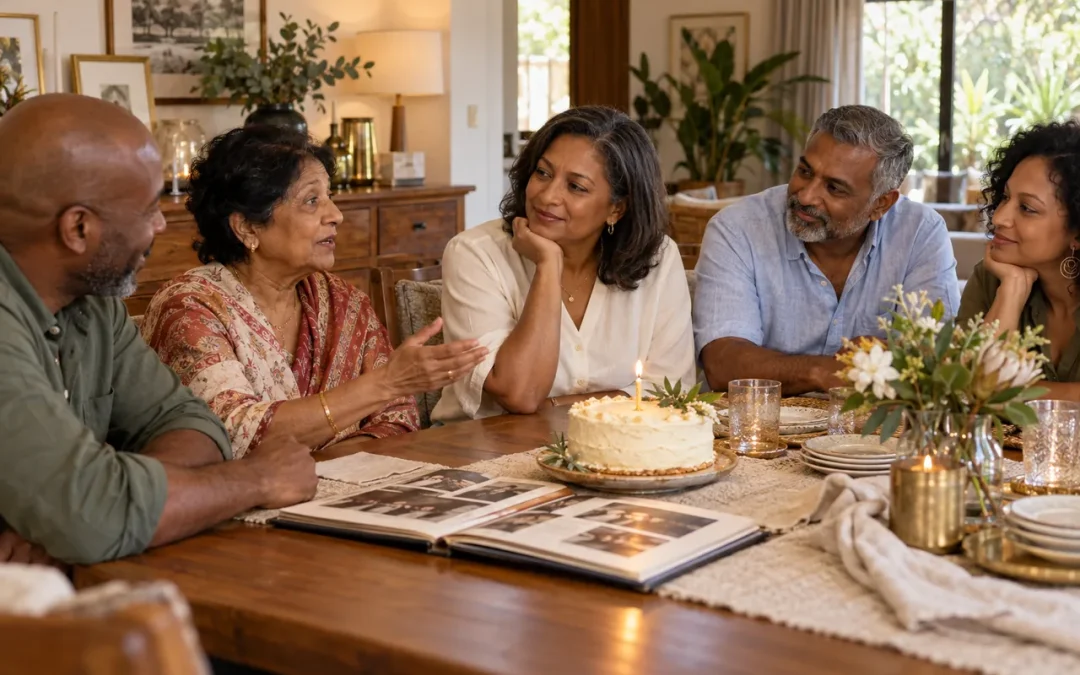
Invite a few guests to bring a short story, a photograph or a song connected to the celebrant. Keep contributions brief and let people pass. You can collect notes in a book or ask guests to write a message during the evening. This gives the celebration a personal thread without making every guest perform a speech.
9. Combine a small activity with a meal
If a full day out feels too ambitious, pair one short activity with dinner. A tasting, gallery visit, picnic stop or walk can give the group a shared moment before the main meal. Choose something close to the venue and build in time for late arrivals. The meal remains the anchor, so the activity can be skipped if plans change.
10. Give the guest of honour a choice of two plans
When a surprise is important but preferences are uncertain, ask a trusted friend to narrow it to two options. For example, a garden lunch or a dinner out, each with the same guest list. Keep the date and guest list a surprise if that matters, but let the person guide the kind of celebration. This protects the personal touch without guessing at what they would enjoy.
Match the plan to the person
Use the person’s usual preferences as a practical guide. A quiet celebrant may prefer a small dinner, while someone who likes a full calendar may enjoy a day with a few stops. When you are unsure, ask a close friend what to avoid as well as what to include. A short conversation can prevent a surprise that is awkward for the person it is meant to celebrate.
| Format | Works well when | Plan ahead for |
|---|---|---|
| Dinner or long lunch | The guest of honour wants time to talk | Menu, dietary needs, seating and finish time |
| Home or garden gathering | A personal setting matters more than a formal venue | Food help, weather cover, seating and cleanup |
| Activity day | The group enjoys doing something together | Access, travel time, booking terms and a quieter option |
| Overnight break | A small group can share the time and cost | Transport, room choices, meals and clear costs |
| House party | The celebrant likes music and a lively room | Sound, neighbours, safe travel and a quiet space |
Set a budget that guides decisions
Decide what the organiser or group can comfortably spend before choosing a venue. Make a short list of the costs that matter for your format: the space, food and drinks, transport, activity, décor and any help needed on the day. Keep a small reserve for changes such as extra guests or weather cover. You do not need a detailed spreadsheet, but write down who is paying for each part so there are no surprises later.
Share costs in a way that feels fair to the guest list. A hosted meal, a pay-your-own-way booking or a contribution toward a weekend stay each creates a different expectation. Put the arrangement in the invitation. If some guests cannot join every part, offer a clear time when they can meet the group without paying for an activity they will not attend.
Give the plan a boundary. If the guest list grows beyond what the venue or budget can handle, choose one main event and make a separate informal catch-up optional. That is easier to manage than stretching the original plan until it no longer feels comfortable.
A simple planning timeline
Start with the date and guest list, then confirm the details that affect everyone else. The timing below is a useful order, not a rule. A home lunch may come together quickly; a larger group or overnight plan needs more notice.
| When | Decide or confirm | Keep in mind |
|---|---|---|
| First | Date, guest list, format and spending limit | Check the celebrant’s availability before booking |
| Once the plan is chosen | Venue or activity, transport and food arrangements | Read booking terms and confirm any access needs |
| Before invitations | Start time, finish time, location and cost expectations | Include directions and a reply-by date |
| One week before | Guest numbers, dietary notes, weather backup and helpers | Share a short run sheet with the people assisting |
| On the day | Food delivery, setup, welcome and one main moment | Leave room for the celebration to unfold naturally |
South African details to plan for
For a Gauteng celebration, think about distances between home, venue and accommodation. If guests are travelling from different parts of Johannesburg or Pretoria, choose a meeting point and share a map link, parking details and a realistic finish time. A lift-sharing plan or a nearby accommodation option can help guests avoid a late cross-city drive.
Outdoor plans are worth keeping flexible. Check the forecast close to the date using the South African Weather Service, and decide in advance where guests can move if the weather changes. Shade, water and a covered area can matter on a warm afternoon. For an evening event, add lighting along the path to the entrance and keep a dry place for food and seating.
Set expectations clearly on the invitation: whether children are welcome, what to wear, how guests will pay, when the formal part starts and whether they should bring anything. Tell guests about stairs, uneven ground or a long walk from parking. These details are easy to forget when planning décor, but they help people arrive ready to enjoy the event.
Make space for the memories
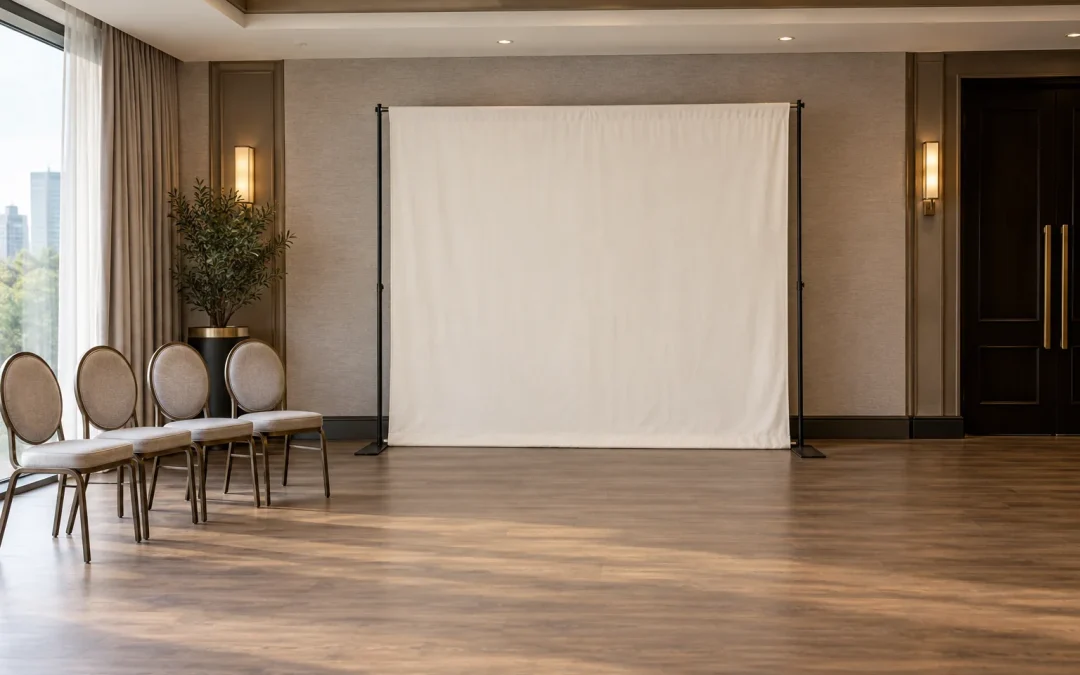
Decide how the group wants to remember the day. A few planned photographs, a shared album or a message book can work without interrupting the party. If a photo activity suits the guest list, browse these photo booth ideas and compare the available booth formats against your venue and guest flow. Keep the activity optional and leave enough space for people to talk.
For a smoother event, ask one friend to help with arrivals, timing or gathering a few group photographs. That lets the organiser stay present and gives the celebrant more time with guests. Keep any speeches short, let people pass if they would rather not speak, and avoid making the birthday person repeat a moment for the camera.
The right 30th birthday party idea is the one the person will enjoy after the planning is done. Choose a format that suits the group, confirm the practical details and build in time to relax. If a photo booth would add to your celebration, ask about photo booth hire for your event.
Continue planning
Check the venue and backdrop fit
Measure usable space, group size and camera frame before choosing a backdrop.
Compare photo booth formats
See setup options and what to confirm with a Gauteng event supplier.
Ask about photo booth hire
Share your event date, guest count and venue to ask for a practical option.