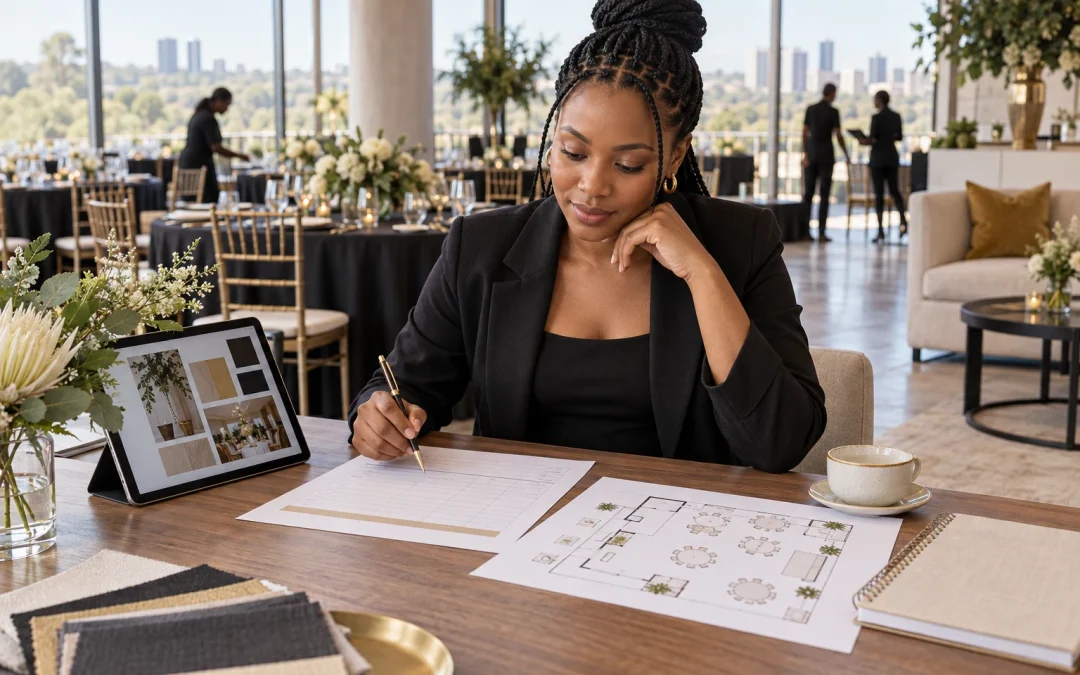
A good wedding photo booth plan fits the reception run sheet, the venue and the people you want to include. Start by choosing the moments the booth should serve, then confirm its position, power, access, print or digital output and weather plan. The main trade-off is simple: more hours can cover more of the celebration, but a badly timed booth may sit unused during dinner or compete with speeches and dancing.
This guide helps you plan a wedding photo booth that feels easy for guests and practical for the venue. The checks work for Johannesburg, Pretoria, Sandton, Midrand, Centurion and other Gauteng venues.
Start with the moments you want to capture
Do not begin with a package name. Begin with the part of the wedding you want the photo experience to improve. A booth can give guests a relaxed activity while the couple is taking formal photographs, create a keepsake during the reception or add a simple reason for different groups to mix. Each goal points to a different time and position.
| Wedding moment | Why it can work | What to watch |
|---|---|---|
| Guest arrival and welcome drinks | Guests have time to settle in and an easy activity while the couple is away for photographs. | Keep it close enough to notice, but away from registration, welcome drinks and the main entrance. |
| After the ceremony | Friends and family are already together and looking for something to do before the reception starts. | Confirm whether guests move to another area. A booth in the ceremony space may need to be moved or packed down. |
| During the reception | The booth becomes part of the evening and can support guest interaction between courses or formal moments. | Pause activity during speeches, meal service or a first dance if the position creates noise or a queue. |
| Late-night dancing | Guests may be more willing to try playful prompts once the formal programme is finished. | Check lighting, access, venue closing time and whether older guests or children will still use the space. |
Write one sentence before requesting quotes: “We want the photo booth to help guests ______ during ______.” If the blank is “mingle after the ceremony”, your planning decisions become clearer. If it is “give every guest a printed keepsake”, output and timing matter more than a decorative backdrop.
How many hours should you hire?
There is no universal number of hours for every wedding. Compare how much of the guest journey you want covered, not just the length of the reception. A booth may be quiet during the meal, speeches and formal photographs.
Compare the coverage, not only the clock
- Short coverage: useful for one focused activity, such as welcome drinks or the first part of the reception.
- Mid-length coverage: useful for arrival, a reception gap and the livelier part of the evening.
- Longer coverage: useful for a large guest list or several activity windows, provided the booth will not sit hidden during formal moments.
- Split coverage: worth asking about when the ceremony and reception use different spaces or dinner would otherwise create a long idle period.
Ask whether the quoted time includes only guest use or also setup and pack-down. Confirm the arrival time the supplier needs, when the booth can be switched off for speeches and what happens if the reception runs late. When you compare current photo booth packages and prices, use your run sheet beside the package details so you are comparing useful coverage rather than a larger number of hours.
Where should a wedding photo booth go?
The best position is visible, convenient and slightly out of the way. Guests should understand that the activity is available without having to cross the dance floor, walk behind the bridal table or interrupt the catering team.
A practical wedding photo booth placement test
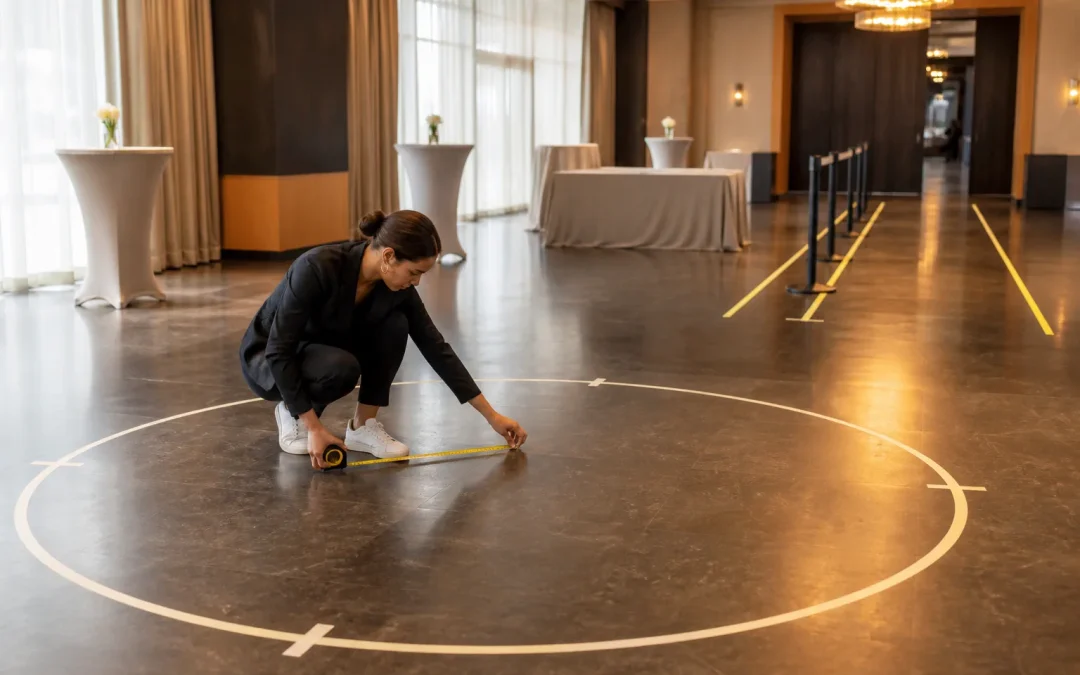
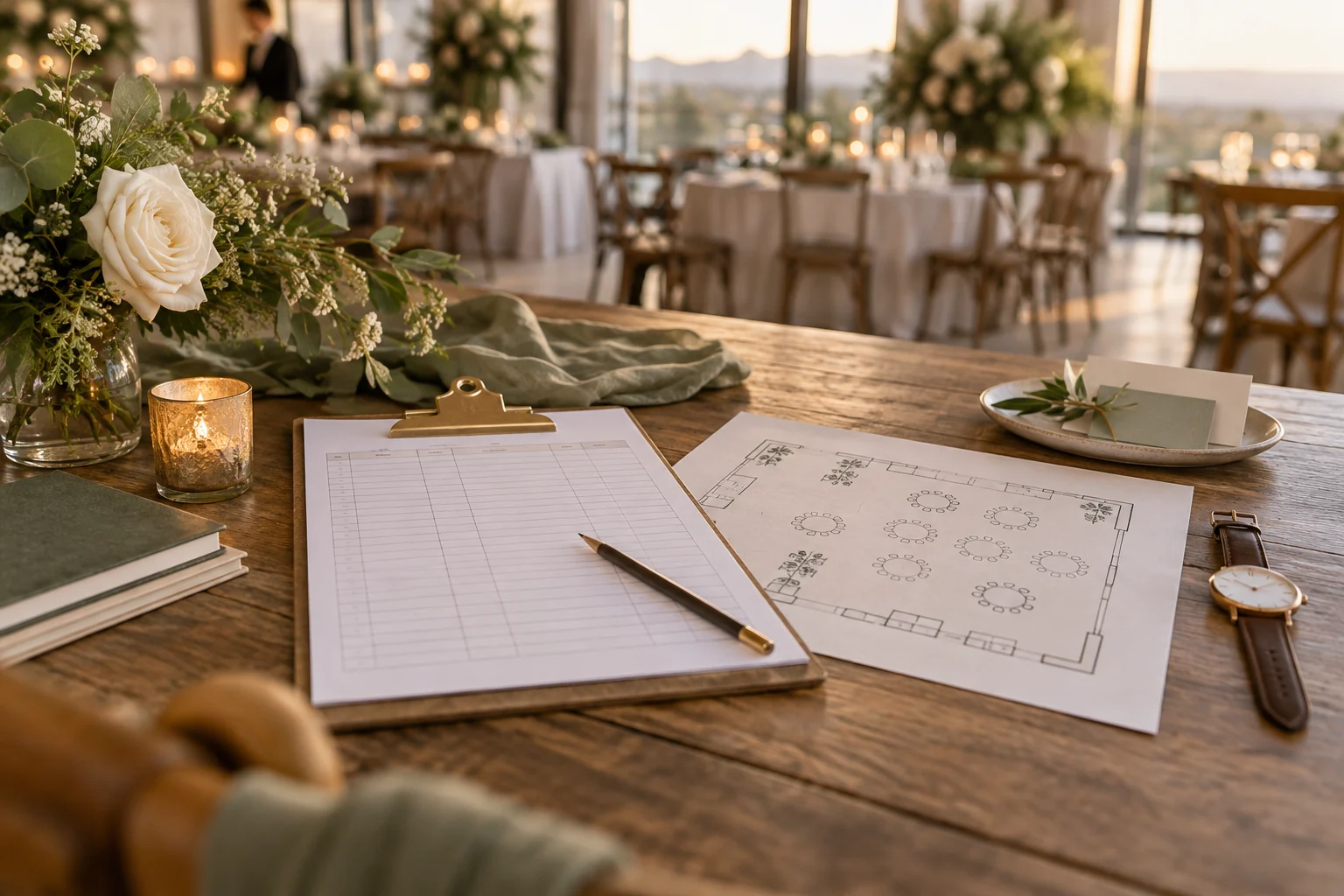
On the venue floor plan, draw the route from the entrance to the welcome area, tables, bar, toilets and dance floor. Then mark the proposed booth position. Ask four questions:
- Can a guest see the activity while moving through the reception?
- Can a small queue form without blocking food service, doors, stairs or an emergency route?
- Can guests enter and leave without walking through the photographer’s formal group shot or the DJ’s equipment?
- Can the supplier reach the position with equipment without moving through the middle of the ceremony or meal?
A side room can be calm but easy to forget. A position beside the bar is visible but may become crowded. Near the dance floor can work well, provided guests can pose safely without mixing with the busiest part of the floor.
If you are considering a 360 format, use the 360 photo booth space requirements as a separate venue check. A format that needs guests to move around a central point should not be judged by the footprint of a conventional photo station.
Venue checks before you confirm
Send the supplier a venue contact and a simple floor plan before you make a final booking. A venue may have rules that are not obvious from its public capacity or wedding brochure.
| Check | What to confirm |
|---|---|
| Usable floor area | Ask for the area available after tables, chairs, décor, speakers and service stations are placed. Leave room for the guest route, not only the equipment. |
| Power | Confirm the nearest suitable supply, whether the venue has restrictions on extension leads and who will approve the final position. |
| Access and setup | Ask about loading bays, stairs, lifts, parking, delivery windows and the time the supplier may enter the venue. |
| Light and noise | Check whether direct sunlight, reflective windows, low light or nearby speakers will affect the experience. |
| Venue rules | Confirm external supplier approval, insurance or public-liability requirements, décor restrictions and the contact for event-day decisions. |
| Weather fallback | For an outdoor reception, agree the indoor or covered position before the wedding day. Do not rely on moving equipment after rain starts. |
For a private wedding, the venue is usually the first place to confirm what applies. If the event has a public component or the venue asks for municipal event documentation, review the City of Johannesburg’s Joint Operations Committee requirements with the venue or relevant authority. The page refers to planning information such as floor plans, emergency arrangements, security, medical support, traffic, transport and waste. Do not assume that every private wedding follows the same process.
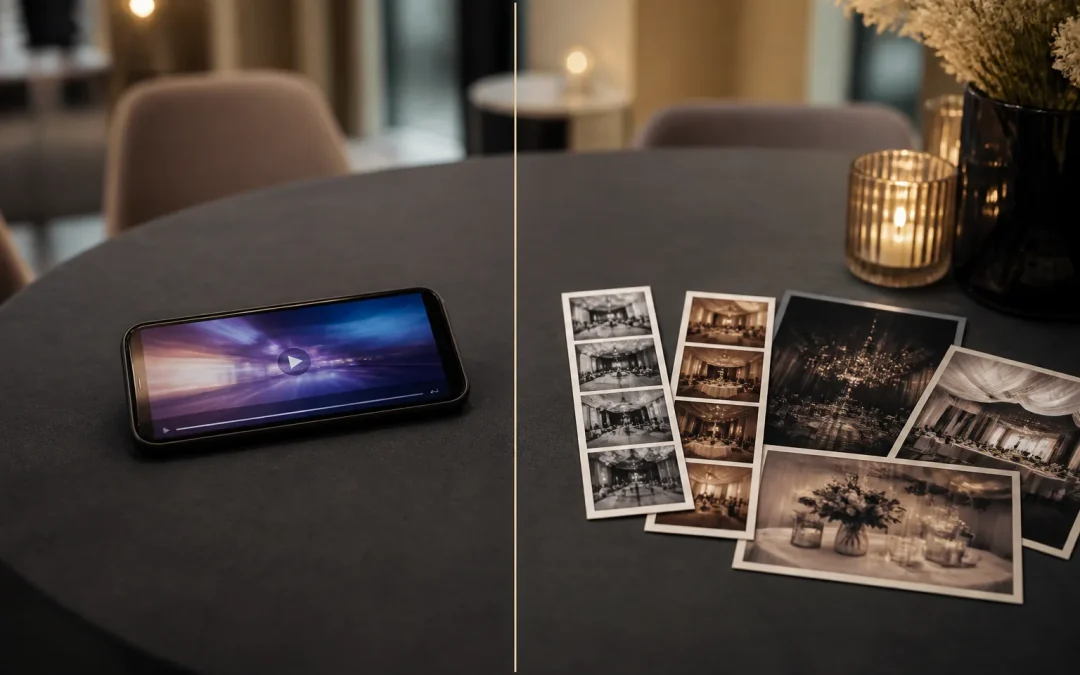
Choose prints, digital sharing or 360 video
The output changes how guests use the experience and what the couple receives afterwards. Decide what you want guests to take home before you compare styling details.
Printed keepsakes
Printed photos suit guests who want something tangible at the reception. Decide whether the priority is one photo per guest group, a strip, a postcard-style print or a message that goes into a guest book. Ask to see a design proof and check that names, dates and colours are correct before the event. Keep important text away from the faces and the edge of the print.
Digital sharing
Digital delivery can make it easy for guests to receive and share their images, but the method should be clear. Ask whether delivery relies on venue Wi-Fi, mobile signal, a QR code, email or a gallery after the event. If the venue has weak reception, confirm what still works offline and how guests will receive the final files.
360 video
A 360 experience creates movement and group energy, but it needs a clear, safe area and a guest route that does not collide with tables or dancing. It can be a strong choice when the couple wants short motion clips rather than printed keepsakes. Compare formats on the photo booth options page, then check the specific space, output and staffing requirements for the format you choose.
One output does not have to serve every purpose. Prints can support a guest book while digital delivery supports sharing. Choose the combination that matches your guest list and the moments you wrote down at the start.
Design for guest flow, not just photos
Guests join when the activity is easy to understand and easy to leave. A good wedding photo booth plan makes participation optional, keeps the route open and gives people enough context to make a quick decision.
- Make the invitation visible: use a small sign or a host’s announcement rather than expecting guests to discover a hidden room.
- Keep prompts simple: a few pose ideas can help guests who are unsure, while leaving room for their own style.
- Place props with care: keep the selection tidy and avoid placing loose items where they can spill into the walkway.
- Plan for mixed ages: provide a stable route, sensible lighting and enough space for guests who do not want to stand for long.
- Assign the guest book: decide who moves a print into the book, who supplies pens and how messages are kept together during the evening.
- Protect formal moments: tell the operator or venue contact when speeches, cake cutting and the first dance should take priority.
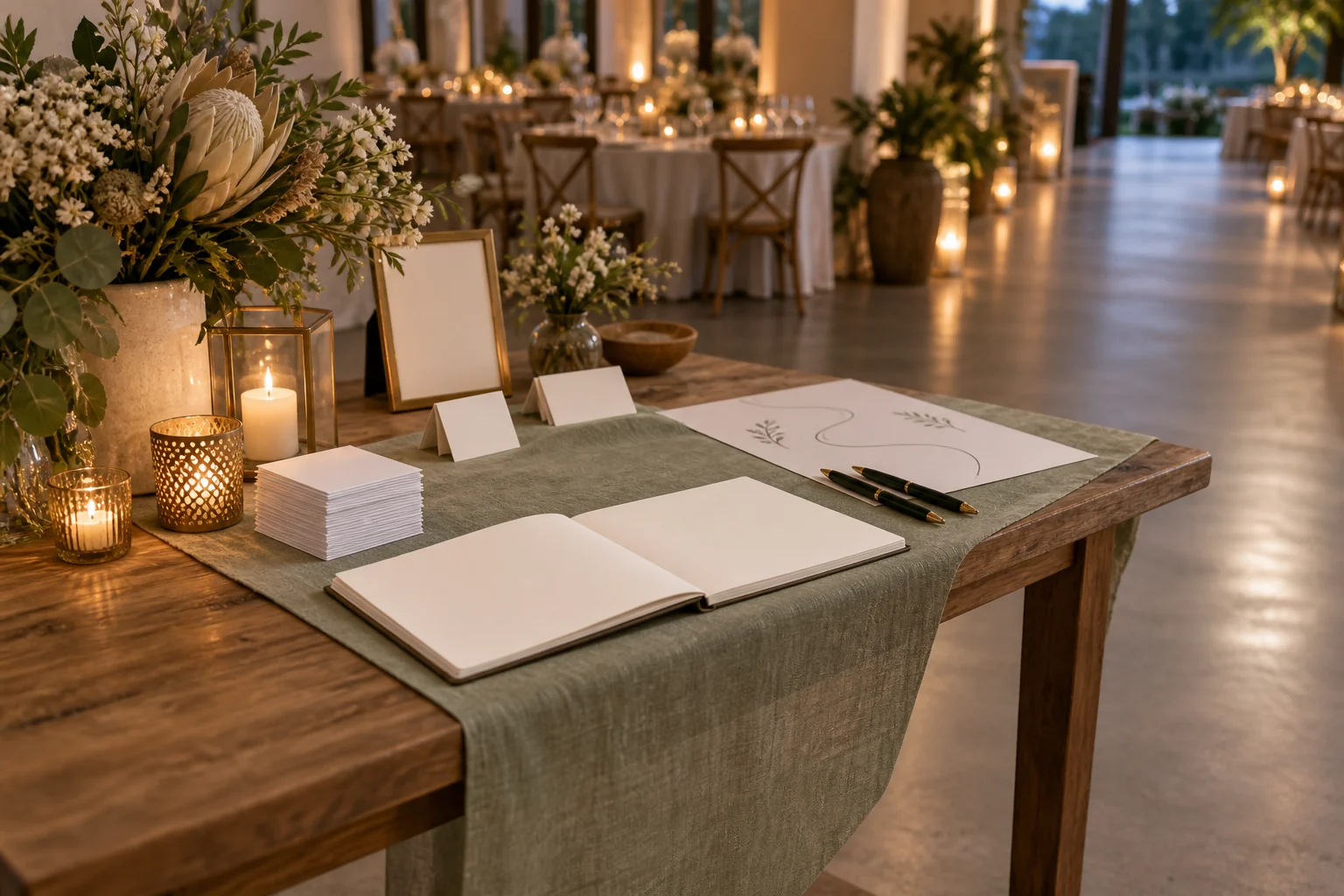
For more styling and participation ideas, browse these practical photo booth ideas for events. Keep only the suggestions that support your venue, guests and programme.
Gauteng planning details to settle early
Gauteng wedding venues can be close together on a map but very different in access, parking and weather exposure. A Sandton hotel, Pretoria estate and Midrand venue will not share the same plan.
Travel and arrival
Ask how guests will arrive, where they will park and whether the supplier has a separate load-in route. Include the ceremony-to-reception transition in the run sheet, and make sure the guest route actually passes the booth.
Summer weather
Outdoor Gauteng celebrations need a decision point for heat, wind and thunderstorms. The South African Weather Service weather guidance notes that lightning occurs with every thunderstorm. Ask who can pause the activity, where guests and equipment will move and how much notice the supplier needs.
Wedding photo booth checklist
Use this list when you review a quote or walk through the venue:
- The purpose of the photo experience is written in one sentence.
- The planned hours match arrival, reception gaps and the guest energy you want.
- Setup and pack-down times are separate from guest-use time.
- The position is visible without blocking doors, food service, speeches or dancing.
- The venue has confirmed floor area, power, access, lighting, noise and outside-supplier requirements.
- The output is clear: prints, digital delivery, 360 video or a combination.
- Print design, names, dates and approval timing are confirmed.
- Guest-book supplies and ownership are assigned.
- Accessibility, mixed ages and guests who prefer not to be photographed have been considered.
- Outdoor weddings have a covered or indoor fallback position and a weather decision owner.
- Venue paperwork, supplier contacts and event-day access are closed, with one current run sheet.
- The final run sheet tells the supplier when to pause for formal moments.
Questions to ask a supplier
Before you choose a package, ask for answers that relate to your actual wedding:
- Which formats are available for the guest experience we described?
- What does the quoted time include, and how long does setup take?
- What floor area, access route, power and lighting do you need?
- Can the activity pause during speeches, dinner or the first dance?
- What print sizes, design options and delivery methods are available?
- Is an attendant included, and what happens if the outdoor position becomes unsafe?
- When will the couple receive the final digital gallery or files?
Once the practical answers are clear, choose the styling with confidence. For the commercial next step, start with photo booth hire for your wedding or event and include your venue, guest range, preferred moments and output.
Frequently asked questions
How far in advance should you book a wedding photo booth?
Book once your date, venue and approximate guest count are stable enough to compare the right format. Popular dates can make supplier and venue access harder to coordinate, so keep an alternative layout or date while you are still deciding. The important early step is confirming the venue rules and the part of the run sheet the booth will serve.
Where is the best place for a wedding photo booth?
Choose a visible position near a natural guest route, with a clear queue area, suitable power and enough separation from catering, speeches, doors and the dance floor. The best position depends on the venue layout, not a fixed distance from the main table.
Do we need prints and digital copies?
Choose based on what guests will use and what the couple wants to keep. Prints work well for a guest book or immediate keepsake. Digital copies help with sharing. A combination can be useful, but only when the delivery method and design approval are clear.
A wedding photo booth is easiest to enjoy when it has a clear job. Match the hours to the run sheet, place it carefully, confirm the venue and weather details, and choose outputs that suit your guests.