An AI photo booth and a green-screen photo booth can both place guests somewhere unexpected, but they do it in very different ways. AI is the stronger choice when the transformation itself is the entertainment. Green screen is better when every photograph must use a controlled, pre-approved background.
AI photo booth vs green screen: the quick answer
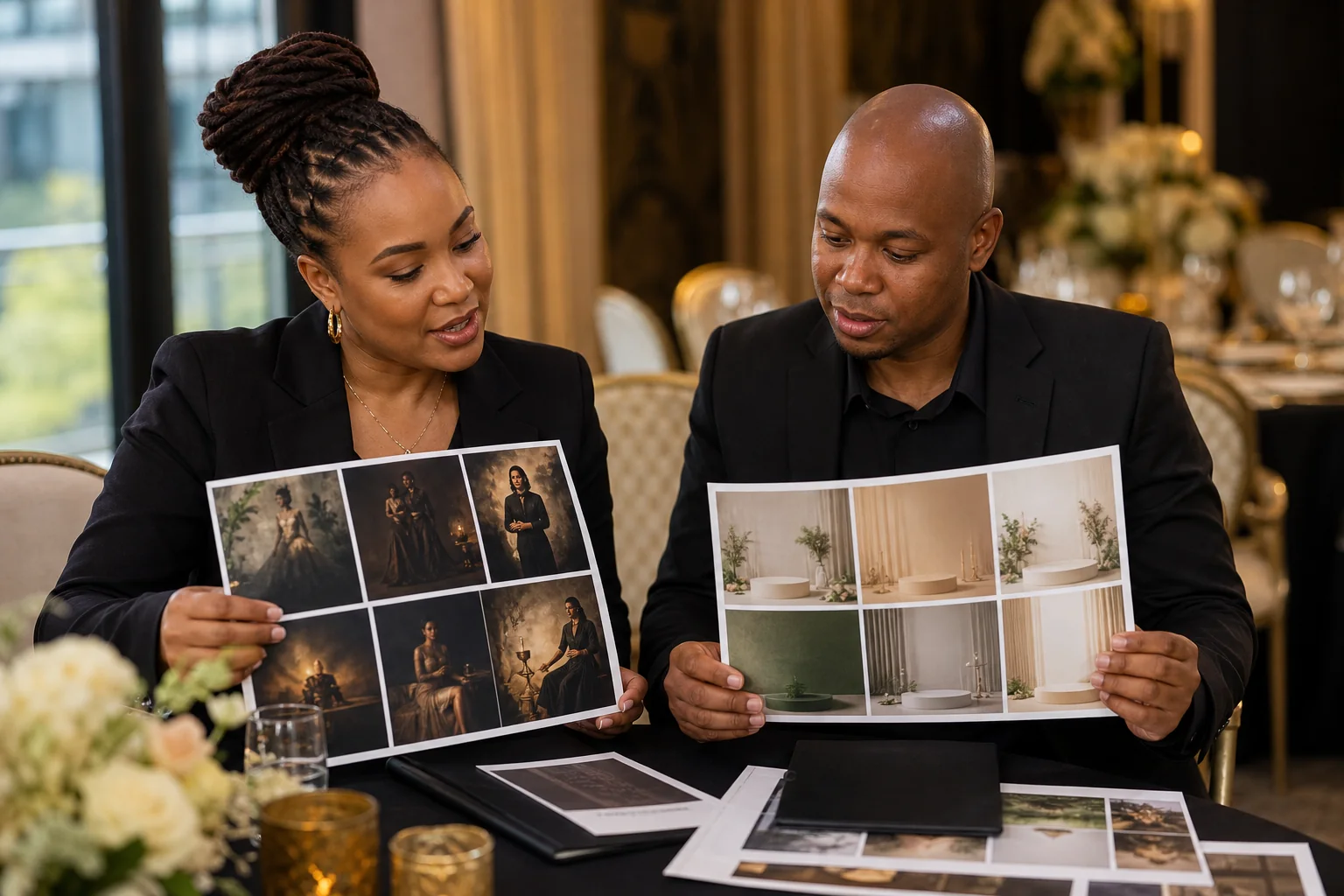
Choose an AI photo booth when you want each portrait to feel like a creative reveal. A guest can be reimagined inside an approved visual world, with the final result shaped by the event concept rather than by a single fixed background.
Choose green screen when consistency is the priority. Guests are photographed against a chroma background and placed onto artwork selected before the event. This is useful when a campaign, sponsor or theme needs an exact background on every image.
| Decision | AI photo booth | Green screen |
|---|---|---|
| Main appeal | A surprising creative transformation | A controlled background replacement |
| Best for | AI themes, character-led concepts and imaginative worlds | Branded scenes, destination themes and consistent campaign artwork |
| Output consistency | Results vary naturally within the approved direction | The chosen background remains consistent |
| Approval focus | Theme, visual references and acceptable variation | Background artwork, crop and subject placement |
| Guest experience | The reveal is part of the entertainment | The setting is familiar and easy to understand |
How the two experiences differ
In an AI photo booth vs green screen comparison, the technical difference is straightforward. Green screen begins with a photograph and replaces one clearly defined colour behind the guest. The creative work happens largely before the event, when the background artwork is prepared. Adobe’s explanation of chroma key provides a useful technical overview of how a selected colour is isolated and replaced. Once the event starts, guests move through a repeatable setup and receive images with the selected scene.
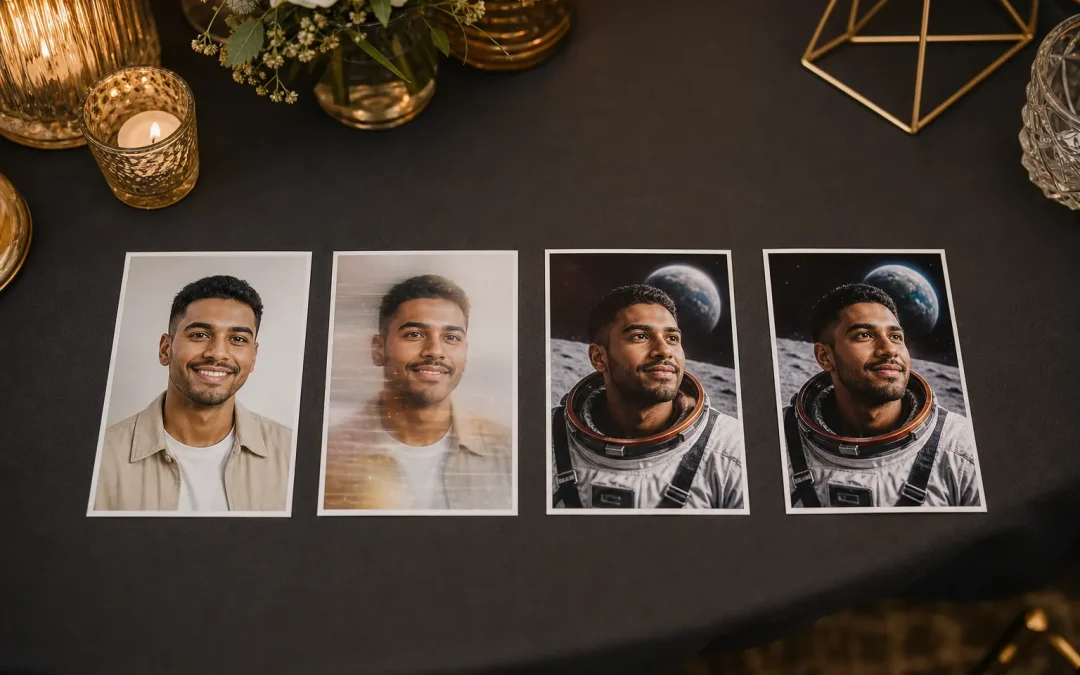
An AI experience begins with a portrait and interprets it through an approved creative direction. It can change more than the background, which is why the result can feel closer to a themed portrait than a conventional booth photograph. The trade-off is variation: the images should belong to the same visual family, but they will not be identical.
Neither option is automatically more professional. The right choice depends on what must remain fixed and where you want the creative surprise to happen.
When an AI photo booth is the better fit
AI works well when guests should leave with an image they could not easily create on their own. It is particularly useful for themes that rely on atmosphere, character or transformation rather than a literal backdrop.
- Brand activations: build a visual world around a launch idea without asking every guest to pose in exactly the same scene.
- Year-end events: turn a theme into a personal keepsake instead of relying only on props.
- Expos: give visitors a natural reason to stop, take part and share a distinctive result.
- Weddings and celebrations: use a tasteful style that complements the occasion while keeping each portrait personal.
The strongest AI briefs are specific without trying to control every pixel. Decide the mood, colour direction, styling and boundaries, then allow enough variation for the experience to feel alive. Our guide to approving an AI photo booth for an event covers those decisions in more detail.
When green screen is the better fit
Green screen is the practical choice when the background has already been designed and must appear predictably. A tourism-themed function might need a recognisable destination. A campaign may require approved sponsor artwork. A themed party may simply need guests placed inside one consistent scene.
It also makes sense when stakeholders want to sign off the exact visual treatment before the event. The organiser can review the background, framing and print layout in advance, which reduces interpretation on the day.
Green screen sits within Selfie Cube’s broader range of photo booth formats and backdrop options. It can be paired with professional lighting and a suitable print or sharing format, depending on the event brief.
What organisers should approve before the event
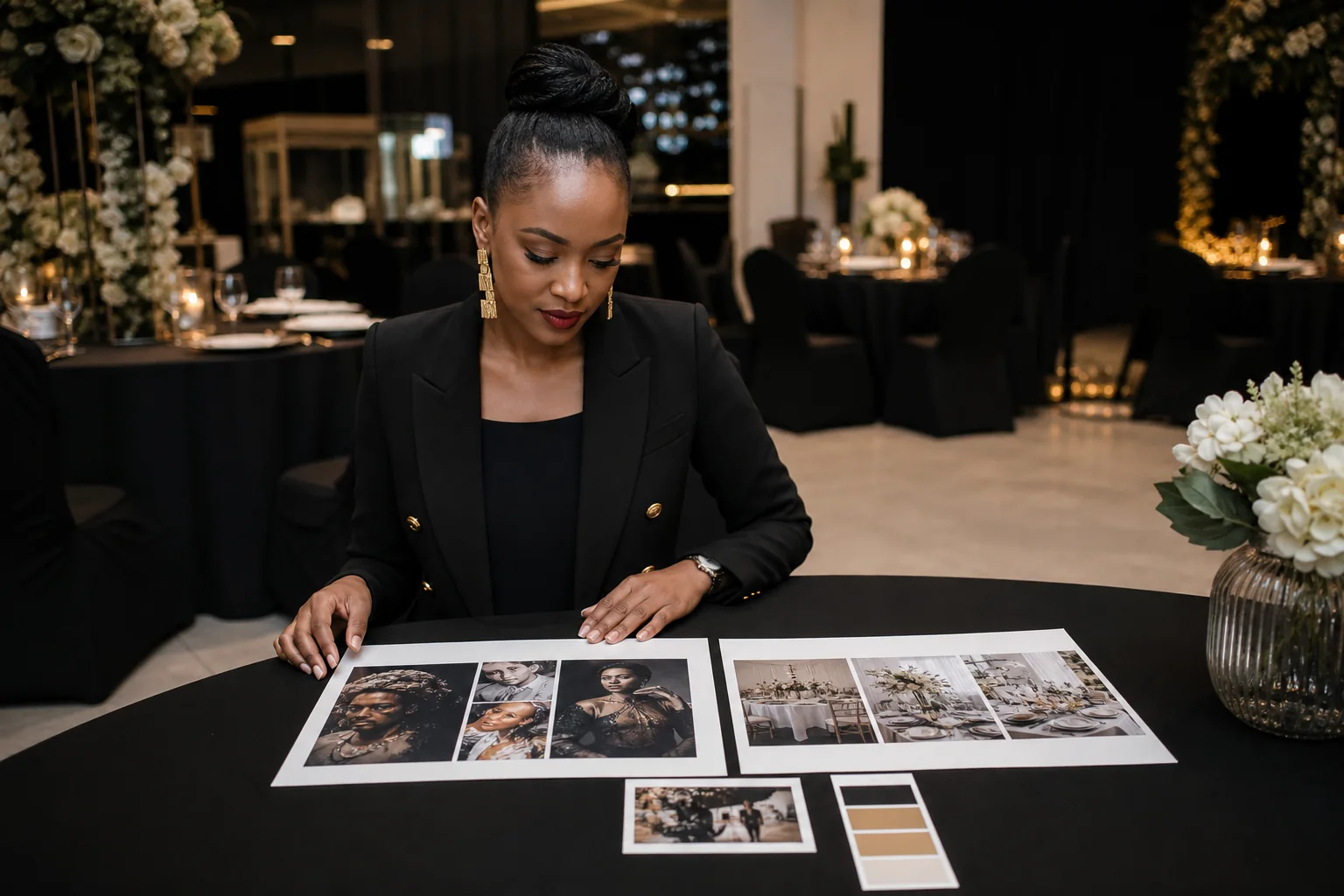
The approval process is where the two routes separate most clearly. A useful AI photo booth vs green screen brief records which elements may vary and which must remain exact. For AI, agree on representative visual references and the degree of acceptable variation. For green screen, approve the actual background files and how guests will sit within them.
For an AI experience
- The creative theme and a small set of visual references
- Colours, styling and any elements that must be avoided
- How closely people should resemble their original portrait
- The print or digital layout
- Who can approve a test result before the event
For green screen
- The final background artwork and image proportions
- The safe area for logos, names and dates
- How many background choices guests will receive
- Wardrobe guidance if the event dress code includes colours close to the screen
- The print or digital layout
Think about the guest journey, not only the final image
A good photograph is only one part of the decision. Consider how guests arrive, how the experience will be explained and how quickly they should move through it. If curiosity and conversation are important, an AI reveal can become a focal point. If the event needs a familiar process and repeatable output, green screen may be easier to communicate.
The venue matters too. Reserve a visible position with enough room for a short queue, but keep entrances, catering routes and service areas clear. Confirm power, setup access and operating times with the venue and supplier. These basic decisions often affect the experience more than an extra decorative idea.
Choose the output before you choose the effect
Start with what guests should take away. A physical print creates an immediate keepsake. Digital delivery makes sharing convenient. Some events benefit from both. Once that decision is clear, the creative route becomes easier to judge because the design must work at the final size.
Small prints need restraint. A logo, event name and date may be enough. Trying to fit several sponsor marks, a long message and social handles around a portrait can make the result feel cramped. Review Selfie Cube pricing and package options once the format, operating time and output are clear.
A practical briefing checklist
- Define the job of the experience: entertainment, guest keepsake, brand engagement or a mixture.
- Decide whether creative variation is a benefit or a risk for this event.
- Choose AI for transformation or green screen for a fixed approved setting.
- Agree on the visual references, artwork and approval deadline.
- Confirm print and digital delivery requirements.
- Check venue space, power, access and guest flow.
- Name one person who can approve final tests and answer questions on the day.
If you are still comparing formats, the South African photo booth planning guide will help you assess the wider event brief before requesting quotes.
Frequently asked questions
Can an AI photo booth use an exact branded background?
AI is best used for an approved creative direction rather than pixel-for-pixel repetition. If an exact background must appear consistently, green screen is usually the clearer route.
Is green screen only for corporate events?
No. It can work for weddings, parties and themed celebrations whenever guests should appear in a particular place or scene.
Which option is more engaging for guests?
That depends on the audience. AI offers a stronger surprise at the reveal, while green screen offers an instantly understandable experience with a predictable result.
Can both options include prints?
Printed and digital outputs can be considered for either route. Confirm the required format and package when briefing the event.
Need advice for your event?
Tell us your date, venue and what you want guests to experience. We will recommend a practical option and prepare a personalised quote.